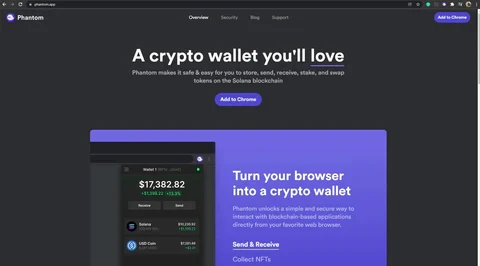
Phantom Wallet: A 1200-Word Overview
Phantom Wallet is widely known as a user-friendly digital-asset wallet built primarily for the Solana ecosystem. It has become popular because of its simple interface, fast performance, and smooth integration with many decentralized applications. While the digital-asset world can feel complicated, Phantom Wallet aims to make it easier to explore networks, keep track of tokens, and interact with supported platforms in a more organized way. This content aims to explain Phantom Wallet from an educational perspective—what it is, how it works, and why people use it—without giving any step-by-step instructions or guidance on accessing platforms that may be age-restricted.
Understanding the Purpose of Phantom Wallet
Phantom Wallet serves as a software environment where users can view and manage supported digital assets. Its core purpose is to offer a clean, simplified interface for interacting with the Solana blockchain and other networks added over time. Many people appreciate Phantom because it organizes information clearly and minimizes the technical barriers that often come with working in blockchain ecosystems.
The wallet is designed to work with decentralized finance platforms, NFT marketplaces, and various applications built on Solana. Instead of handling complex command-line tools, Phantom provides a visual interface that displays balances, recent activity, and network-specific features in a way that is easier for many users to understand.
The Importance of User-Friendly Design
One of Phantom Wallet’s most recognized strengths is its design philosophy. The creators focused on making the wallet approachable for newcomers while still offering features needed by more advanced users. Even though digital assets involve many technical components, Phantom presents them through a clean and organized layout.
The homepage typically displays an overview of assets, network status, and quick access to commonly used sections. By reducing visual clutter, Phantom helps users feel less overwhelmed. Many digital-asset interfaces can appear crowded or confusing, but Phantom balances simplicity with functionality.
This approachability has made Phantom well-known within the Solana community and among people exploring decentralized applications for the first time.
Key Features Phantom Wallet Is Known For
Though Phantom Wallet offers a wide range of features, the most notable ones include its asset-management tools, application connections, and network-specific functions. Here are some of the most discussed features:
1. Organized Asset Viewing
Users can see supported tokens, collectibles, and digital items in one interface. The wallet shows balances and individual asset details, helping people keep track of what is stored in their wallet.
2. Clear Activity Logs
Phantom Wallet usually provides a transaction history for each account. These activity logs show movements involving supported assets and associated actions, helping users stay aware of what is happening within their wallet.
3. Connections With Applications
One major aspect of Phantom Wallet is its compatibility with various decentralized applications. Instead of needing multiple tools, people can interact with supported applications through one interface.
4. Multichain Expansion
Phantom originally focused on the Solana blockchain, but over time it extended support to other networks. This expansion allows users to rely on one wallet interface instead of switching among several network-specific tools.
5. Identity and Display Features
The wallet includes features that allow users to customize names, icons, and information associated with different accounts, making organization easier.
Educational Perspective on How Phantom Works Internally
Understanding Phantom Wallet from a technical or conceptual perspective can be helpful. A digital wallet does not actually “store” coins. Instead, it manages cryptographic keys that prove ownership of assets recorded on a blockchain.
Phantom Wallet’s design centers around the idea of local key management. The wallet does not control digital assets itself; instead, it provides the interface through which users interact with the blockchain. When someone uses Phantom Wallet, the interface sends signed messages to the network that prove permission to perform an action. This process allows the blockchain to recognize the request as legitimate.
Since Phantom Wallet is a software-based wallet, it operates through the device on which it is installed. The responsibility of protecting sensitive information falls heavily on the device, and users are expected to follow best practices for their own security.
Security Concepts Related to Phantom Wallet
Security is a major topic in the digital-asset world. Since Phantom Wallet is a software wallet, its safety depends on a combination of the wallet’s internal protections and the user’s device security.
Here are general security concepts often associated with Phantom Wallet:
Local Key Control
Phantom stores keys locally on the user’s device. They are not uploaded to servers, which adds a layer of privacy and reduces centralized risk.
Encrypted Storage
Phantom uses encryption to secure sensitive data stored within the wallet environment. This makes unauthorized access more difficult.
Permission Controls
When interacting with applications, Phantom asks the user for approval before granting an app permission to connect. This helps users avoid unintentional interactions.
Visibility of Active Connections
Phantom typically shows users which applications are connected to the wallet. This transparency helps them review or remove connections that are no longer needed.
Open-Source Elements
Several parts of Phantom Wallet’s development rely on open-source principles. This allows external developers to review code and suggest improvements for security and performance.
These features do not guarantee total protection but illustrate the wallet’s approach to safeguarding user data.
Phantom and the Solana Ecosystem
Solana is known for its fast transactions and low fees, and Phantom Wallet became popular partly because it aligns well with these characteristics. The wallet is tuned to the specific needs of Solana applications, offering fast response times and smooth interactions when working with networks supported by Phantom.
Phantom also supports NFT display features commonly used within Solana’s creative community. People who explore NFT marketplaces often use Phantom because it enables organized viewing of digital collectibles, though the responsibility for safe behavior remains fully with the user.
Multichain Growth and Broader Usage
As blockchain ecosystems grow, many wallets aim to become multi-network tools rather than being tied to one chain. Phantom Wallet followed this trend by expanding support beyond Solana. This broader support allows users to navigate several ecosystems through a unified interface.
Multichain access can simplify digital-asset management. Instead of installing separate wallets for each blockchain, the user can rely on Phantom to display supported assets in one place. This helps reduce confusion and provides a more streamlined experience.
User Experience and Customization
Phantom Wallet places emphasis on personalization. While the default layout is simple, users can customize names for different accounts, change certain display features, and organize their assets in ways that make sense to them.
Customization is not just aesthetic. It helps with clarity and organization. As digital-asset environments grow, clear labeling becomes more important for avoiding mistakes.
Continuous Development and Updates
Phantom Wallet evolves over time, with frequent updates aimed at improving performance, increasing compatibility, and enhancing reliability. Developers regularly introduce improvements based on feedback from the community.
Updates often include:
performance optimizations
expanded network support
better NFT handling
enhanced security measures
UI improvements
Since blockchain technology changes rapidly, regular updates help Phantom stay relevant and useful.
Why People Prefer Phantom Wallet
People choose Phantom Wallet for a variety of reasons:
Its interface is easy to understand
It integrates smoothly with many decentralized applications
It supports multiple networks
It loads quickly and handles tasks efficiently
It is designed with clear organization in mind
This combination of speed, simplicity, and compatibility has helped Phantom become one of the most recognized wallets in the Solana ecosystem and beyond.
Conclusion
Phantom Wallet stands out as a visually clean, organized, and powerful software wallet built to support the Solana ecosystem and additional networks. It offers tools for viewing digital assets, connecting to decentralized applications, browsing collectibles, and managing activities in a structured interface. While it operates in the digital-asset world—an area that involves responsibilities, risks, and often age requirements—it remains an example of how software can simplify complex systems while prioritizing usability.